Recruiting Education
How College Football Recruiting Works: The Step-by-Step Process
Most recruiting confusion comes from not knowing the order of operations. Coaches follow a fairly consistent sequence when they evaluate high school athletes. Understanding that sequence tells an athlete what to work on now instead of guessing.
This guide answers
- What order do coaches evaluate in?
- How does coach communication work?
- Where do camps and testing fit?
What This Means
Recruiting works as a funnel. Programs identify a large pool of possible athletes, narrow it through film and academic screening, narrow it again through in-person evaluation, and finally extend a small number of offers. An athlete's job is to survive each narrowing step by being easy to evaluate and difficult to rule out.
Stage One: Identification
Coaches find athletes through high school coach relationships, recruiting databases, camps and combines, and direct athlete outreach. At this stage they are working with limited information — usually a name, position, graduation year, and a film link. Accurate basic information matters enormously here, because an athlete listed at the wrong position or class year may never reach the next stage.
Stage Two: Film Evaluation
Film is where most athletes are either advanced or removed. Coaches watch for football movement, position technique, competitiveness, and whether the athlete's listed measurements look believable on the screen. Full-game film is often requested after a highlight reel, because it shows consistency rather than selected plays.
Stage Three: Academic Screening
Programs check whether an athlete can be admitted and remain eligible. This includes GPA, core courses, and NCAA Eligibility Center status where applicable. Requirements differ by division and change over time, so families should verify current rules against official NCAA resources rather than relying on secondhand summaries.
Stage Four: In-Person Evaluation
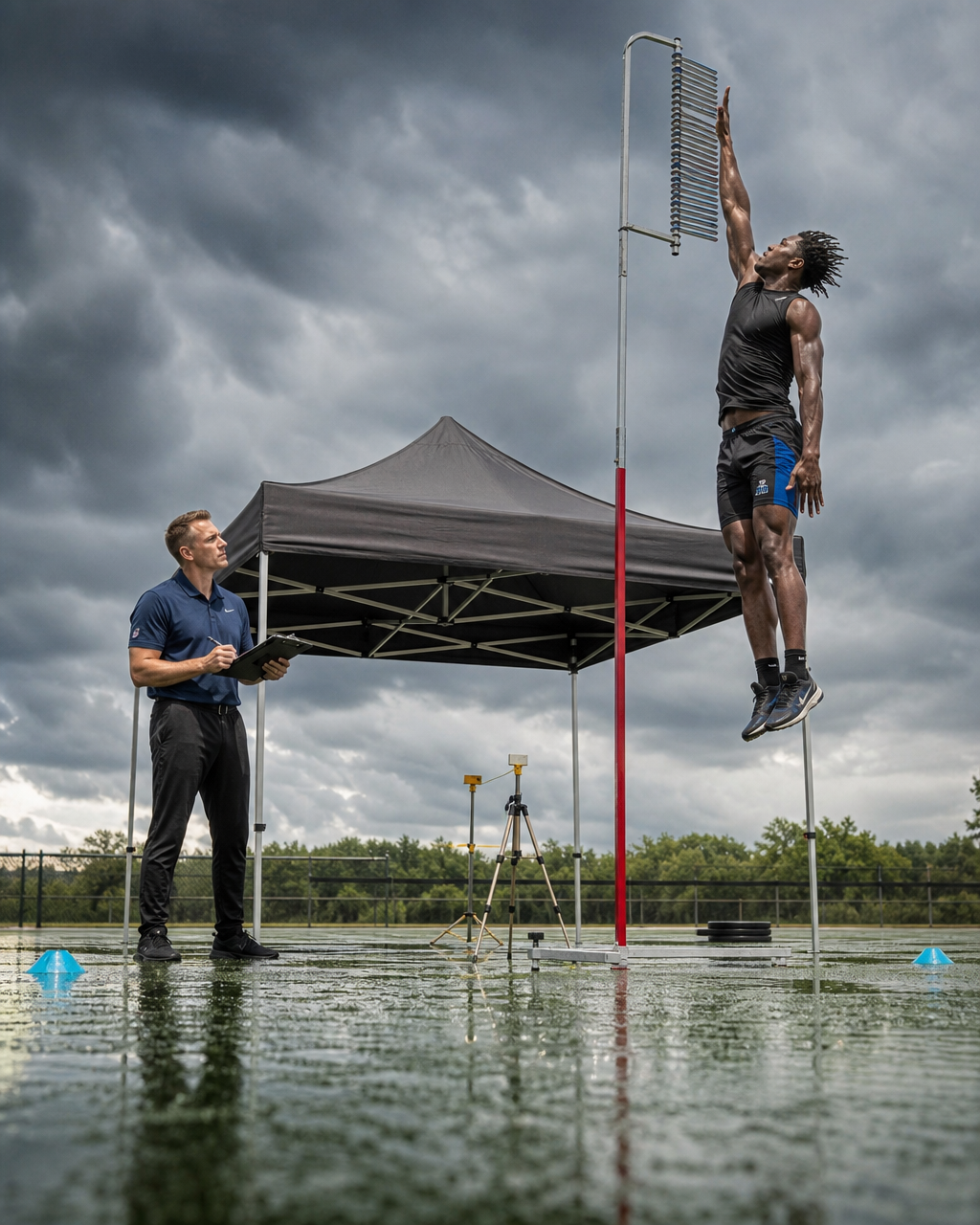
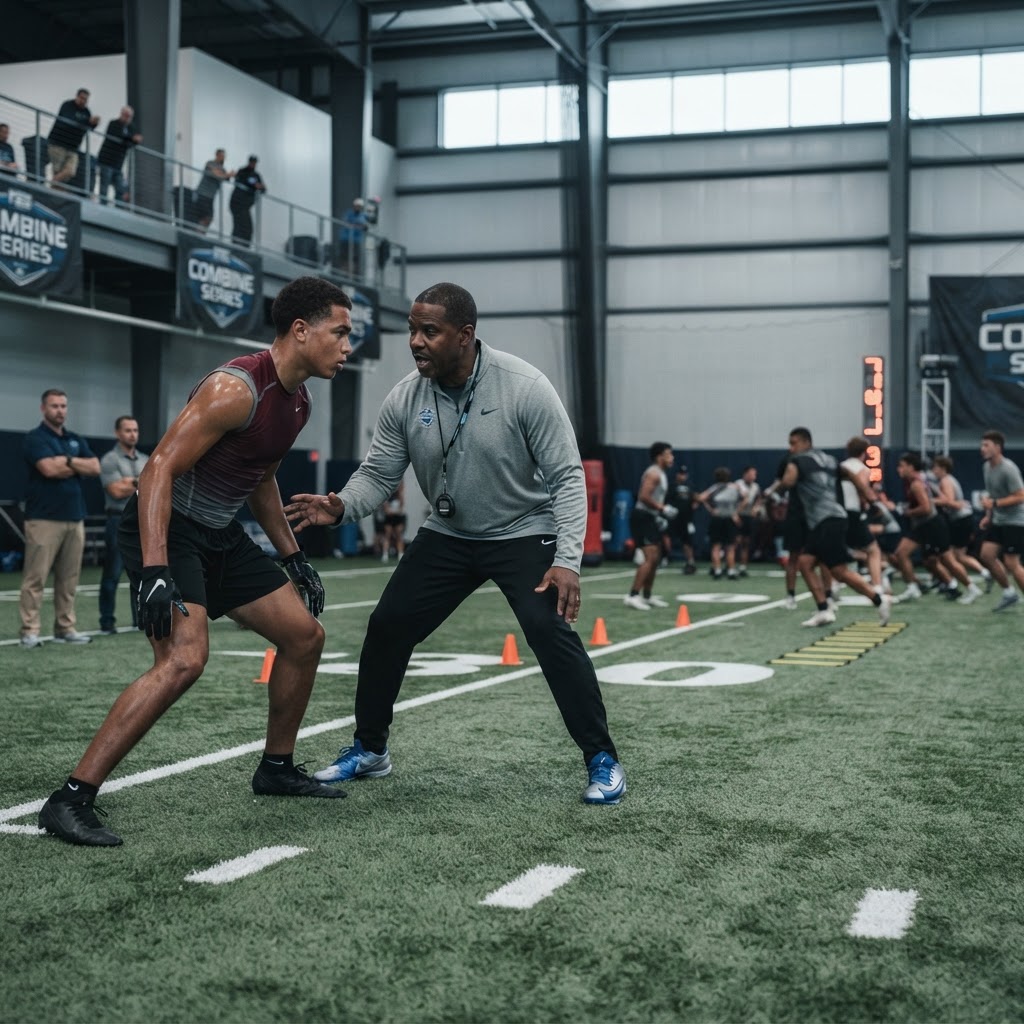
Camps, combines, practices, and games let coaches confirm what the film suggested. This is where verified testing and position work carry weight — a coach is checking whether the athlete moves, competes, and takes coaching the way the film implied. It is also where character and communication become visible.
Common Mistakes
Athletes frequently skip stages: reaching out to programs before film exists, attending expensive events before the fundamentals are ready, or ignoring academics until eligibility becomes a problem. Another common error is inflating measurements, which damages credibility the moment an athlete is tested in person.
Be Like Wat3r Exposure Resources
Be Like Wat3r Exposure helps athletes prepare for the evaluation stages through verified testing, honest evaluations, and recruiting education for both athletes and parents. Preparation improves the odds of surviving each step. It does not guarantee an outcome.
Questions athletes and parents ask
How do college coaches first hear about an athlete?
Commonly through high school coaches, recruiting databases, camps and combines, or direct outreach from the athlete. Accurate basic information such as position, graduation year, and film access is essential at this stage.
Should athletes contact college coaches directly?
Athletes can communicate professionally when appropriate, but contact rules and permitted timing vary by division and change periodically. Families should verify current NCAA rules before building an outreach plan.
How long does the recruiting process usually take?
It varies widely by athlete, position, division level, and development timeline. It is generally a multi-year process rather than a single season.
Explore the full BLWE recruiting library
Every topic below starts with a main guide and links to the detailed pages that support it.
Ready to take a next step
Keep learning the process
Be Like Wat3r Exposure recruiting resources cover profiles, film, verified testing, academics, and parent guidance in plain language.