Recruiting Education
Football Recruiting Timeline: What Athletes Should Focus on Each Year
There is no single recruiting calendar that fits every athlete. Development, position, division level, and academics all shift the timing. What does transfer across athletes is a sensible order of priorities by grade — build the foundation early, sharpen the evidence later.
This guide answers
- What should a freshman focus on?
- When does film matter most?
- What changes junior and senior year?
What This Means
Treat the timeline as a framework, not a rulebook. A late-developing lineman and an early-maturing defensive back can be on very different schedules and both end up recruited. The purpose of a timeline is to prevent the two most damaging outcomes: leaving academics too late to fix, and arriving at senior year with no usable film.
Ninth Grade: Foundation
The priority is academics and development. Core courses started well in ninth grade are far easier than repairing a transcript later. Athletically, the focus is learning position fundamentals, building general athleticism, and getting comfortable competing. Recruiting outreach is generally premature, but recording baseline measurements creates a progress record worth having.
Tenth Grade: Evidence
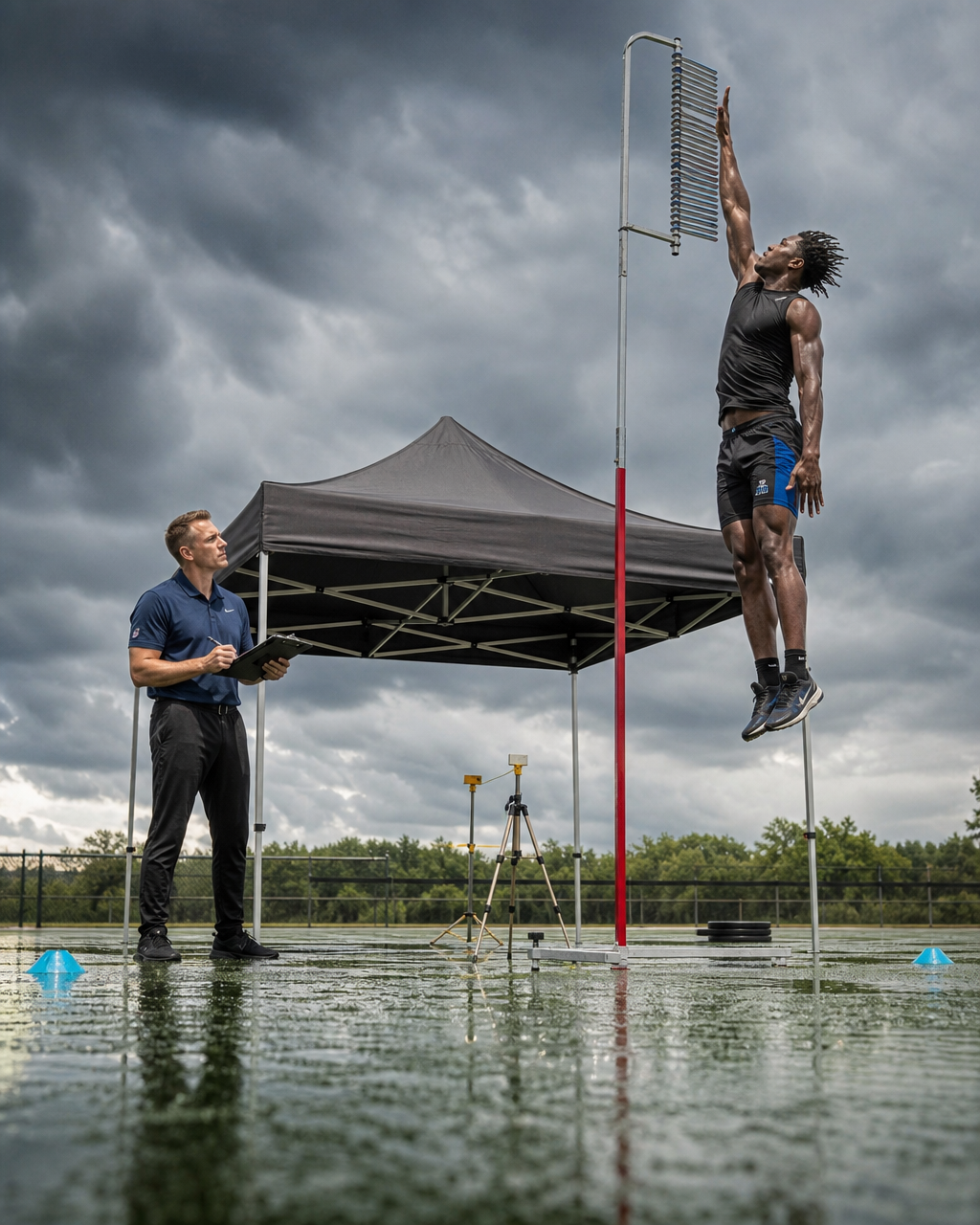
This is usually when film starts to matter. Even limited varsity or junior varsity film establishes whether an athlete can play. Verified testing becomes more meaningful because the athlete has trained long enough for numbers to reflect real development rather than raw maturity. Keep the transcript clean and confirm the athlete is on track with core course requirements.
Eleventh Grade: Visibility
Junior year film is the single most referenced piece of evidence for most recruits. Academics should be verified against current NCAA Eligibility Center requirements. This is typically when camps, combines, and evaluations carry the most weight, because coaches are actively building their board and an athlete now has enough of a record to evaluate honestly.
Twelfth Grade: Decisions
Senior year is about completing eligibility paperwork, keeping film current, communicating professionally, and being realistic about level. Many athletes find their best fit at Division II, Division III, NAIA, or junior college programs, and those are legitimate paths that can lead to strong football and academic outcomes.
Common Mistakes
Waiting until junior year to think about grades, assuming one universal timeline applies to every athlete, chasing offers at a level that does not match current evidence, and letting film go stale during the season when it matters most.
Be Like Wat3r Exposure Resources
Be Like Wat3r Exposure provides verified testing, evaluations, and recruiting education that families can use at any stage of this timeline. The goal is clarity about where an athlete stands today and what to work on next.
Questions athletes and parents ask
Is it too late to start recruiting as a senior?
Not necessarily. Many athletes find opportunities late, particularly at Division II, Division III, NAIA, and junior college programs. Current film, verified information, and academic eligibility become especially important in that situation.
What grade should an athlete register with the NCAA Eligibility Center?
Timing depends on the athlete's graduation year and intended division. Families should confirm current registration guidance directly through official NCAA resources, since requirements are periodically updated.
Does a late growth spurt change the timeline?
It can. Physical development affects position projection and evaluation, which is one reason consistent measurement records over time are useful.
Explore the full BLWE recruiting library
Every topic below starts with a main guide and links to the detailed pages that support it.
Ready to take a next step
Find the right next step for your athlete's stage
Be Like Wat3r Exposure resources break the recruiting process into practical actions for each phase of high school.