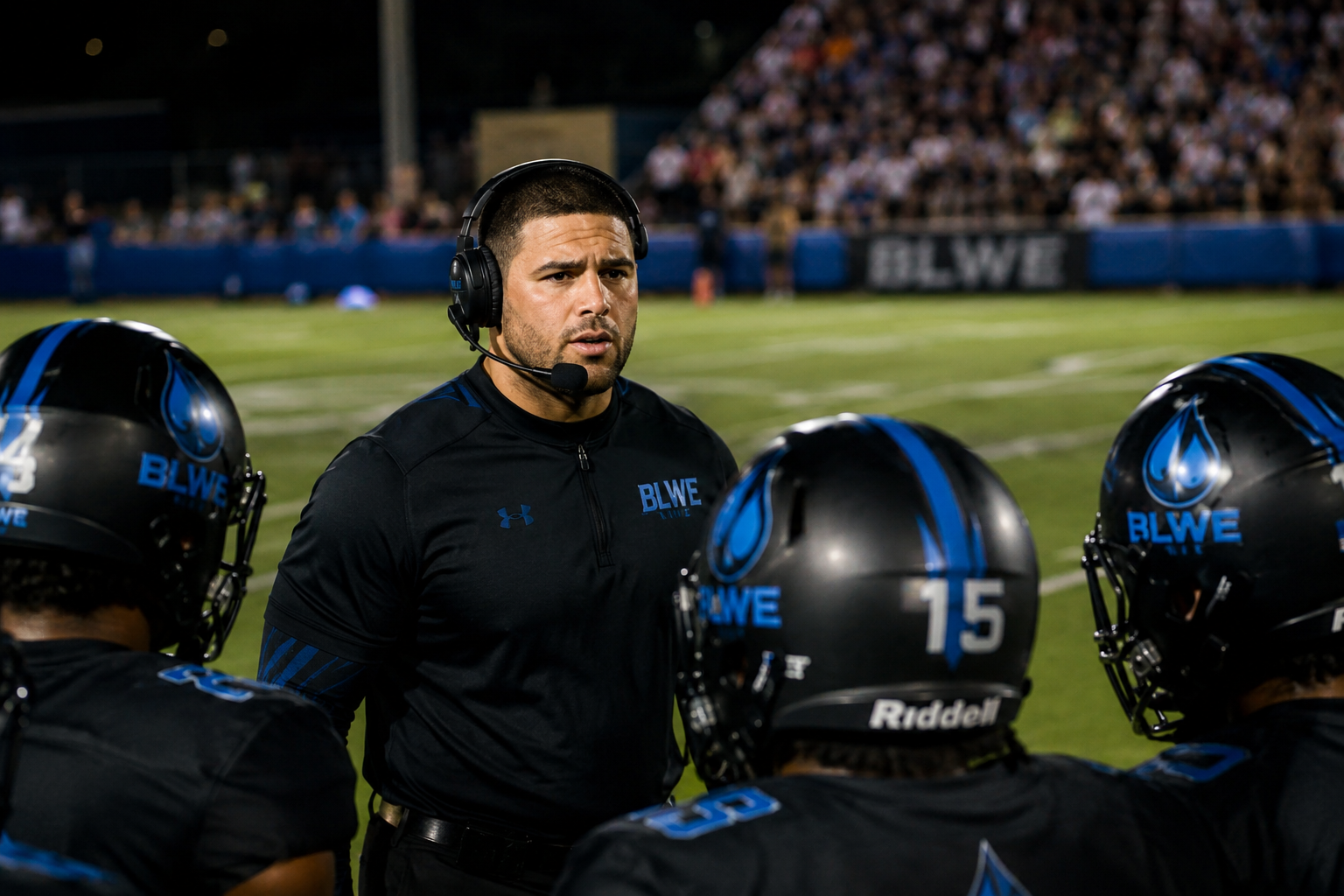
Recruiting Film
Football Recruiting Film: What to Include Beyond the Highlight Tape
The highlight reel gets an athlete looked at. Everything after it determines whether the evaluation continues. Understanding what coaches ask for next lets an athlete prepare it in advance instead of scrambling.
This guide answers
- What do coaches request after a highlight reel?
- How should position film be organized?
- What makes film easy to evaluate?
What This Means
Coaches evaluate in increasing depth. A reel answers whether an athlete is worth time. Full-game film answers whether the reel was representative. Position-specific film answers whether the athlete fits a particular role or scheme. Preparing each layer means an athlete never loses momentum waiting to produce something a coach asked for.
Full-Game Film
Provide at least two or three complete games, ideally including one against strong competition. Coaches watch for effort on plays where the athlete is not the focus, technique when tired, and reaction after a mistake. These are the traits a highlight reel structurally cannot show, and they frequently determine whether an evaluation advances.
Position-Specific Clips
Different positions require different evidence. A lineman benefits from clips showing hand placement, leverage, and finishing. A defensive back benefits from clips in coverage rather than only interceptions. A quarterback benefits from clips showing progressions and pocket movement, not just deep completions. Organizing film by skill makes it easy for a position coach to find what they need.
Labeling and Access
Film should be easy to open, clearly titled with the athlete's name, graduation year, position, and jersey number, and free of access restrictions that require a request. A coach who has to log in, request permission, or hunt for the right video will usually move on. Confirm links work from outside the athlete's own account before sending them.
Honest Presentation
Film should reflect what an athlete actually does. Editing that hides missed assignments, clips that stop before the outcome, or reels built only from the weakest opponents create a mismatch that becomes obvious during in-person evaluation. Accurate film builds credibility that survives contact with a camp field.
Common Mistakes
Sending only a highlight reel with no full-game film available, restricted or broken links, film with no identifying information, and clips edited to obscure results. Each creates avoidable friction at exactly the moment a coach is deciding whether to invest more time.
Be Like Wat3r Exposure Resources
Be Like Wat3r Exposure helps athletes present film alongside verified testing and accurate profile information so coaches can evaluate efficiently. Organized film supports evaluation; it does not guarantee recruiting outcomes.
Questions athletes and parents ask
How much full-game film should an athlete have available?
Two or three complete games is a reasonable starting point, ideally including at least one against strong competition.
Should film be hosted on a specific platform?
The platform matters less than accessibility. Film should open without login barriers or permission requests and should be clearly labeled with the athlete's name, class year, position, and jersey number.
Is it acceptable to edit out bad plays?
A highlight reel is naturally selective, but full-game film should be unedited. Presenting film that misrepresents an athlete's consistency tends to be exposed during in-person evaluation.
Explore the full BLWE recruiting library
Every topic below starts with a main guide and links to the detailed pages that support it.
Ready to take a next step
Build an evaluation-ready film package
Be Like Wat3r Exposure resources cover film, verified testing, profiles, and academics so athletes are simple for coaches to evaluate.