How to Build a Football Recruiting Profile That Gets Noticed
Primary keyword: football recruiting profile tips
Table of Contents
- What a Recruiting Profile Actually Is
- The Components Every Profile Needs
- Verified Measurables: The Difference Maker
- Academic Information Coaches Check First
- How to Write an Effective Athlete Introduction
- Platforms Michigan Athletes Use
- How to Maintain and Update Your Profile
#TLDR
A recruiting profile is not a social media page, it is a business document. Coaches use it to answer three questions quickly: Can this player physically compete at our level? Can he qualify academically? Do his film and numbers match each other? Build your profile to answer all three before a coach has to ask.
What a Recruiting Profile Actually Is
A recruiting profile is a centralized document, usually hosted on a recruiting platform, that gives college coaches everything they need to evaluate you without a phone call or site visit. Think of it as a resume where the references are verified measurables and game film instead of previous employers.
The profile earns a coach's attention for roughly 30 to 60 seconds on a first review. If it confirms athletic fit, academic viability, and position match within that window, the coach may pull up full game film. If it creates confusion or raises credibility questions, through missing information, inconsistencies, or self-reported numbers that cannot be verified, it gets closed.
Scorability notes that coaches prefer centralized, organized profiles because it allows faster evaluation without chasing down information across multiple sources. Source: Scorability That preference directly favors athletes who invest time building a complete profile over athletes who send scattered emails with different information in each one.
The Components Every Profile Needs
Personal and Contact Information
Full name, high school, graduation year, position, jersey number, and a direct contact email and phone number. Include your parents' contact information as well, coaches often prefer to speak with parents first.
Athletic Measurables (Verified)
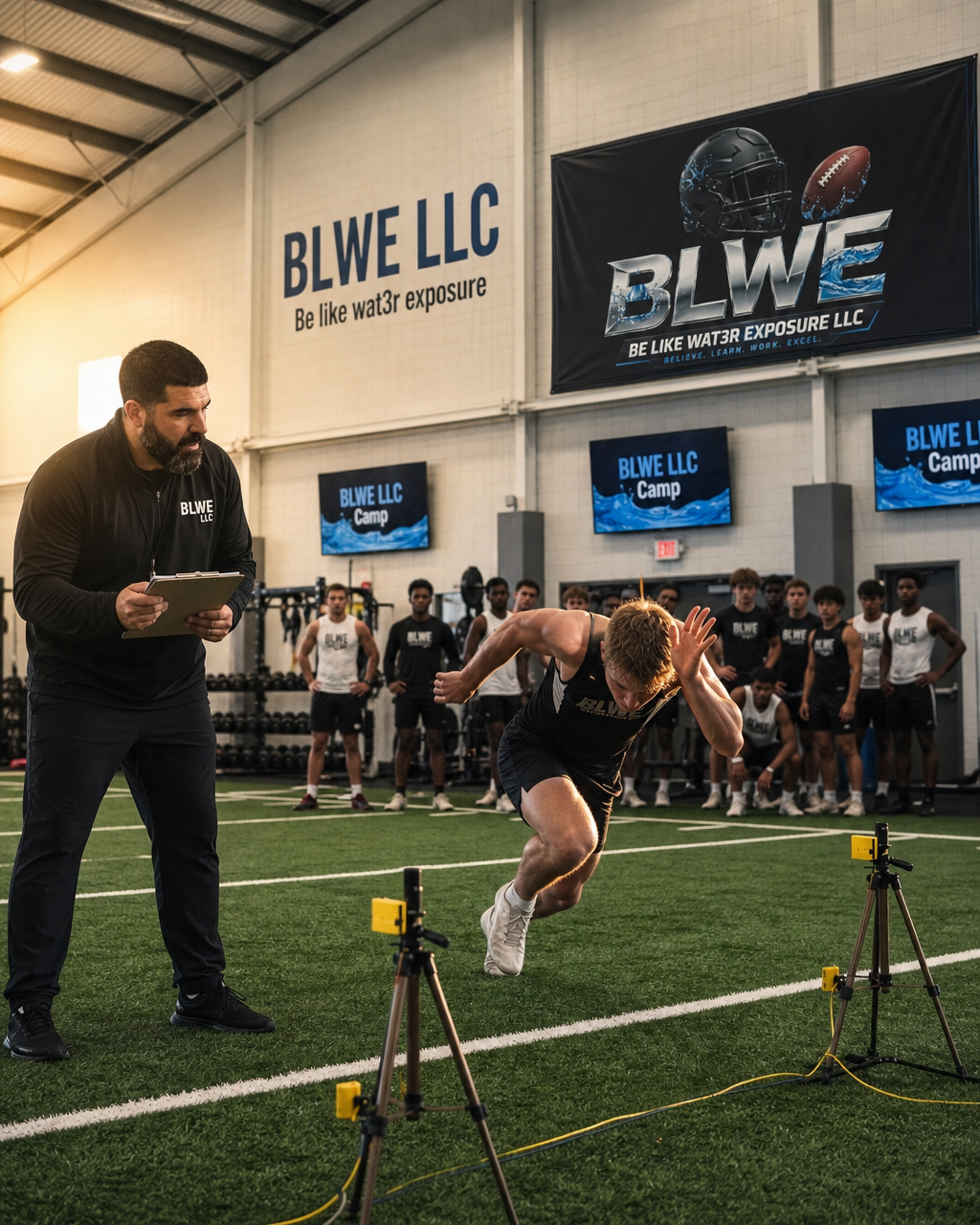
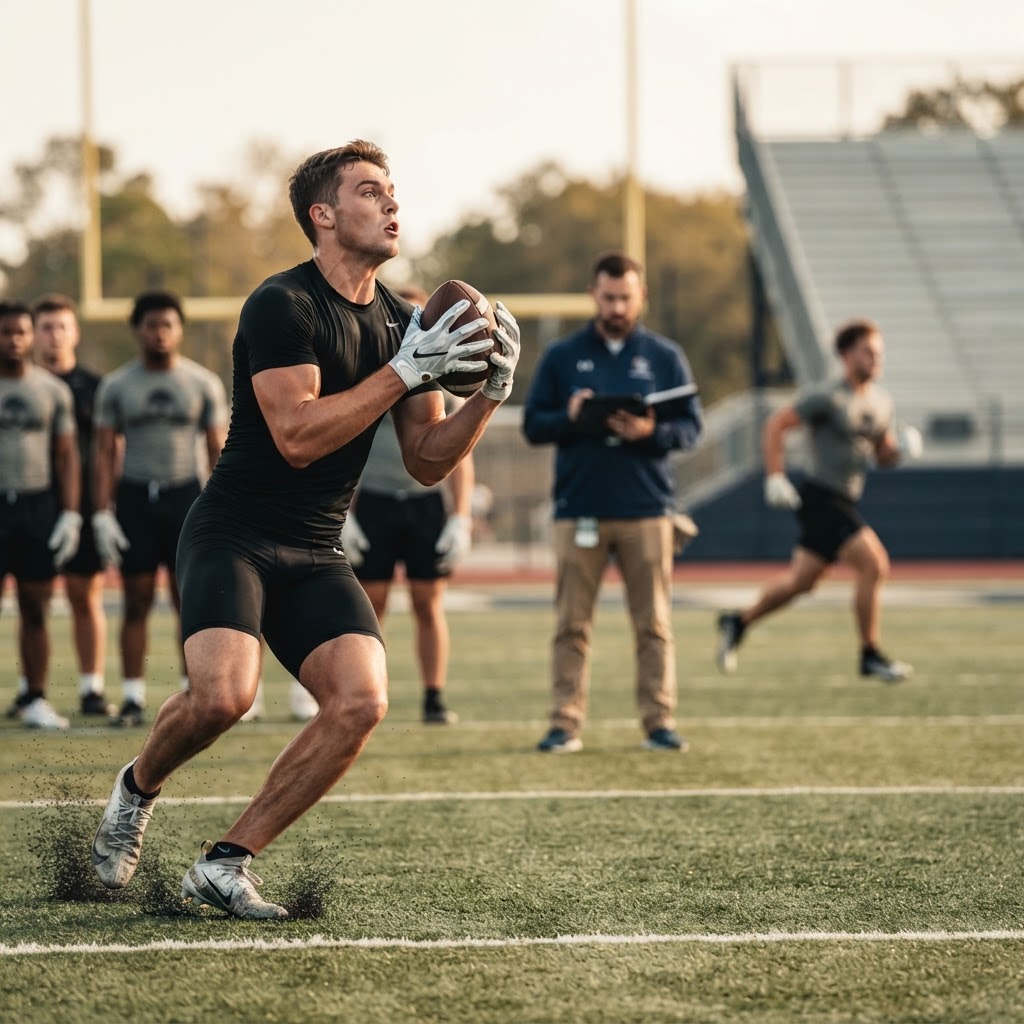
Height, weight, and position-specific testing results: forty-yard dash, vertical jump, broad jump, pro agility shuttle, and any other metrics relevant to your position. Every number should trace to a recognized testing event. Label where each number came from, the combine name or camp name and year.
Film Links
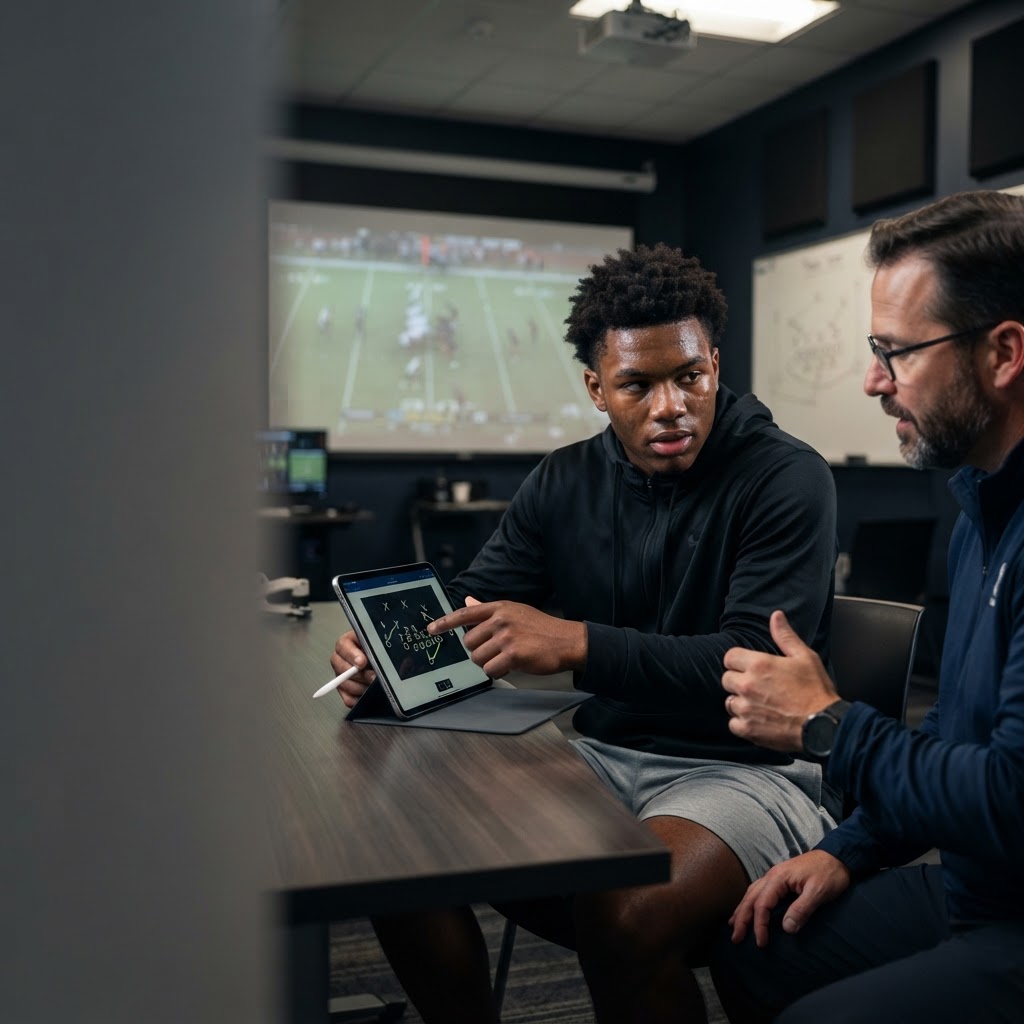
Link to your Hudl profile with both your highlight tape and full game film clearly labeled. Coaches want to access film in one click, not navigate through layers of settings or request access.
Academic Information
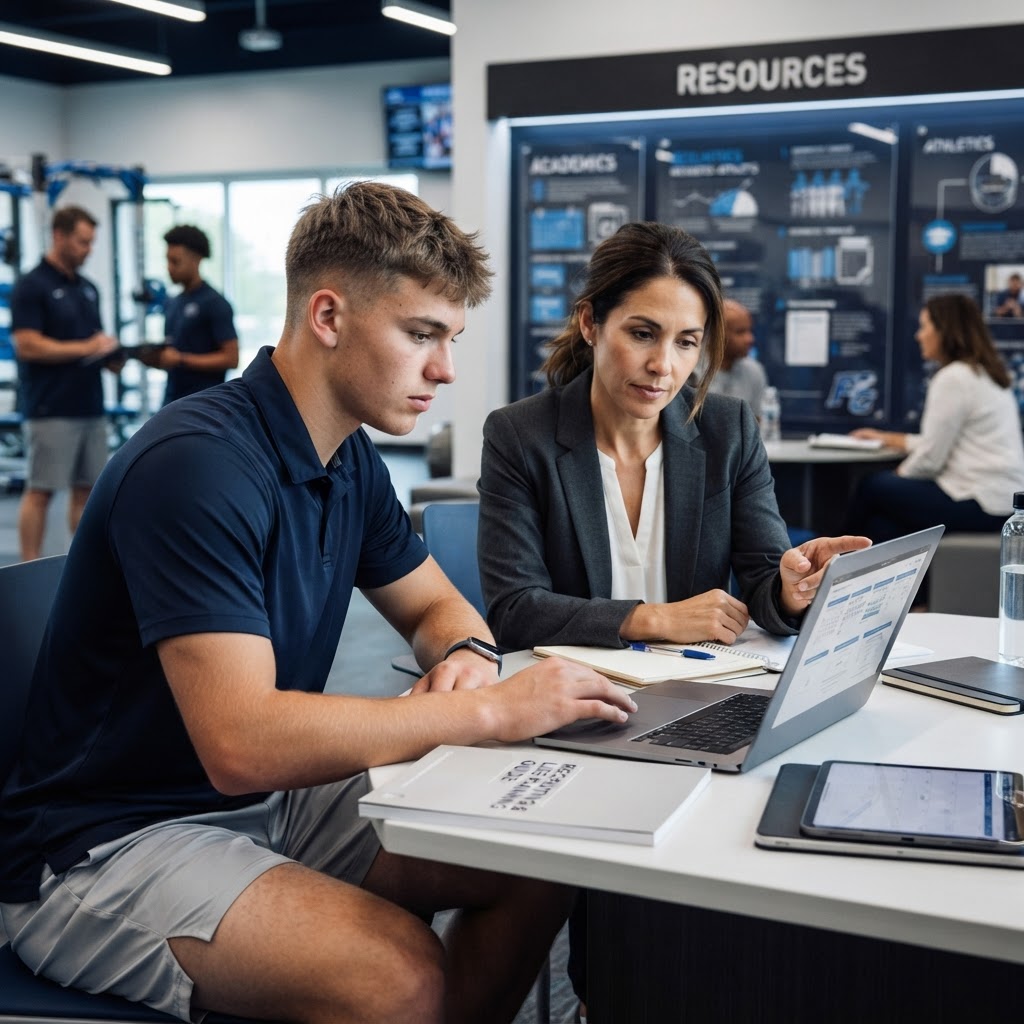
Current GPA (core and overall, separately), class rank if applicable, SAT and ACT scores, and planned graduation date. Include your NCAA Eligibility Center ID number once you have registered.
Position Information
Your primary position and any secondary positions you play. Note which position you are being recruited at, if you play both ways, list your strongest recruiting position first.
Intended Major or Academic Interests
Many coaches ask about academic interests early in the process. Including this in your profile shows maturity and gives coaches who prioritize student-athlete development a positive signal.
Verified Measurables: The Difference Maker
Of all the components in a recruiting profile, verified measurables create the widest gap between athletes who attract serious interest and athletes who do not. Self-reported numbers are common; verified numbers are not.
When a coach sees a forty time listed without a source, the default assumption is that it is unverified. When a coach sees the same number sourced to a named combine with a date, it becomes credible data he can use in an evaluation conversation with his staff.
NCSA Sports directs athletes to football combines specifically to generate verified measurables for their recruiting profiles. Source: NCSA Sports The distinction matters: coaches who rely on recruiting profiles to sort through hundreds of prospects each year have developed fast pattern recognition for profiles that overstate measurables, and an inflated number damages your profile's credibility across the board.
Academic Information Coaches Check First
Before most coaches at Division I and Division II programs invest time in film evaluation, they run a quick academic screen. A player who cannot qualify academically cannot enroll, regardless of athletic ability.
Your profile should make the academic picture immediately clear: core GPA, test scores, and planned graduation year together tell a coach in seconds whether the academic fit is plausible. If your academic profile is strong, it can make a coach more willing to invest time in evaluating athletic qualities that might otherwise be borderline for his target range.
If your academic numbers are developing, transparency still serves you better than omission. Coaches will discover the academic picture eventually, it is better to be proactive about a low GPA and show an upward trend than to have a coach feel misled.
How to Write an Effective Athlete Introduction
Most recruiting profiles include a short athlete introduction, a paragraph or two that gives coaches personal context. Keep it focused:
- Who you are, where you play, and what position
- One or two specific athletic or competitive accomplishments
- Your academic interests or intended major
- Why you are interested in competing at the college level
- A direct statement of your contact preference
Avoid generic statements like "I am a hardworking, coachable athlete who gives 110% every play." Every recruit says that. Instead, be specific: "I started every game at defensive end my sophomore and junior year and led our conference in sacks both seasons" gives a coach an actual data point.
Keep the introduction under 150 words. Coaches do not read long personal statements on initial profile reviews.
Platforms Michigan Athletes Use
Hudl is the standard platform for film and is used by essentially every Michigan high school program. Your game film should live here, organized and accessible.
NCSA Sports is one of the most widely used recruiting profile platforms for college-bound athletes. It integrates film, measurables, and academic information in a format coaches can search.
On3, 247Sports, and Rivals are primarily used by higher-profile recruits and are better known as media/ranking platforms than athlete-controlled profile tools.
Direct email outreach remains the most effective method of initial contact when paired with a profile link. A well-timed, concise email to the position coach at a target school, including your Hudl link and a brief academic and measurable summary, generates more responses than a platform-generated bulk message.
How to Maintain and Update Your Profile
A recruiting profile is not a one-time project. It is a living document that should be updated throughout your high school career.
- Add new game film within days of each game during your season
- Update measurables after every verified testing event
- Update academic information each semester
- Add new accomplishments, awards, and honors as they happen
- Remove outdated content, freshman film that no longer represents your current ability should come down
Coaches who revisit a profile and find it unchanged from six months ago receive a signal that the athlete may not be actively pursuing recruiting. Regular updates demonstrate engagement and show coaches you are serious about the process.
BLWE's recruiting system helps Michigan athletes build and maintain this kind of organized, updated profile as part of a broader development and exposure plan.
Get your free Recruiting Readiness Snapshot at belikewaterexposure.net
Know exactly where your recruiting profile stands.
Get Your Free Recruiting Readiness Snapshot